14 July, 2026 | 2:59 PM


ART drug shortage concerns surface in AP
06-04-2026 12:00:00 AM
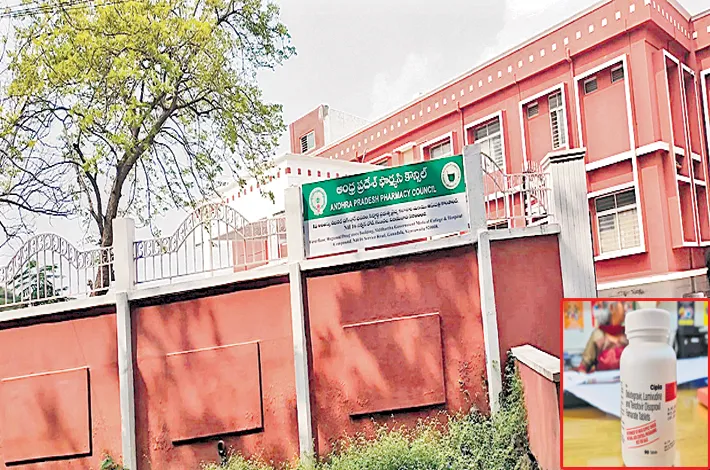
kiranmai tutika | AMARAVATI
Concerns over the availability of life-saving Antiretroviral Therapy (ART) drugs have resurfaced in parts of Andhra Pradesh, with patients and field-level sources reporting shortages even as officials maintain that supplies are adequate.
In several districts, including Kurnool, Nandyal, Kadapa, Guntur, and Anantapur, patients say essential first-line ART medicines such as Abacavir, Nevirapine, and paediatric formulations like TLE have been intermittently unavailable over the past month. These drugs are critical for managing HIV, requiring strict adherence without interruption.
For 44-year-old Sahiti (name changed) from a rural area in Krishna district, a recent visit to an ART centre was a mix of relief and anxiety. After waiting in line, she received medicines sufficient for only one month. “At least now I got a full month’s dose. Earlier, I used to get only 15 days’ supply and had to return again, which was very difficult,” she said.
Sahiti’s experience reflects a wider concern among patients dependent on government-run ART centres. According to official data, more than 3.5 lakh HIV-positive individuals are registered with the Andhra Pradesh State AIDS Control Society (APSACS), but only around 2 lakh are actively accessing treatment through ART centres. The status of the remaining 1.5 lakh patients remains unclear.
Across the state, nearly 40 ART centres cater to thousands of patients who rely on free medication every month. However, reports from at least five major centres indicate supply disruptions lasting several weeks. Field-level staff suggest that logistical gaps between state-level supply and district-level distribution may be contributing to the problem.
An official from an ART centre, speaking on condition of anonymity, said shortages are not new. “Every few months, we face supply issues. State officials say stock has been sent, but at the district level, we are told there is none. Patients are left waiting or forced to look elsewhere,” the official noted.
However, APSACS authorities have denied any current shortage and further refused to speak on the issue. Meanwhile, representatives from networks of people living with HIV have called for better coordination with national agencies to prevent disruptions.
For patients, however, the issue goes beyond logistics. Any break in medication can have serious health consequences. As authorities assert normalcy, ground realities continue to highlight the need for tighter monitoring to ensure uninterrupted access to essential treatment.