10 October, 2026 | 1:37 AM


AI: Youth’s New Confidant
10-10-2026 12:00:00 AM
HEMA SINGULURI I hyderabad
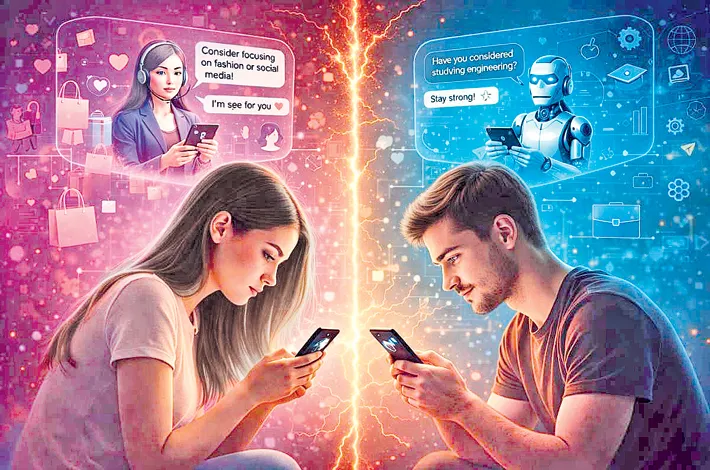
When loneliness, anxiety or relationship troubles become difficult to discuss with family and friends, some young people are turning to an unexpected confidant: artificial intelligence. Chatbots such as ChatGPT and Gemini offer a space to vent feelings and seek advice, raising concerns about the limits of technology in mental healthcare.
C. Manjula Rao, consultant clinical psychologist at Apollo, Hyderabad, says accessibility is a major reason for this shift. The cost and availability of professional consultations can be barriers, while chatbots offer inexpensive, round-the-clock access without fear of judgement or the need to reveal one’s identity.
However, Rao cautions that chatbots cannot replace professional assessment. A student struggling with attention and concentration, for instance, might be told they have ADHD, although several other factors could explain the symptoms. Chatbots may offer preliminary information, but diagnosis requires professional judgement.
The danger of misplaced trust
General-purpose AI chatbots can provide inaccurate advice, reinforce harmful assumptions and fail to recognise signs of self-harm, abuse or serious mental illness. Overreliance may weaken human relationships and delay treatment. Some callers to Telangana helplines reportedly discuss low moods, severe loneliness and suicidal thoughts with AI before seeking human help.
Young people want to be heard
Ayaan, 17, an intermediate CEC student at St George’s Boys’ Junior College, says teenagers do not necessarily trust machines more than people; sometimes, machines are simply available. Young people want someone who listens without lecturing, comparing or immediately offering solutions.
AI cannot experience emotions or replace genuine human connection, he says, but even an imperfect conversation can feel better than silence when nobody seems available. Ananyaa Choadhry, a second-year BA Psychology student at St Mary’s College, warns that occasional AI assistance differs from complete dependence. Without real-world interaction, young people risk losing opportunities to develop meaningful relationships.
Listening must begin at home
Rao urges families to communicate openly rather than judge young people for attention difficulties or emotional struggles. Parents should ask when a problem began instead of assuming they understand its cause. The challenge is not simply to discourage AI use, but to ensure digital guidance never replaces compassionate listening, professional assessment and meaningful human support.