11 July, 2026 | 3:24 PM


WTO talks end without consensus on key trade issues
31-03-2026 12:00:00 AM
Metro India News | NEW DELHI
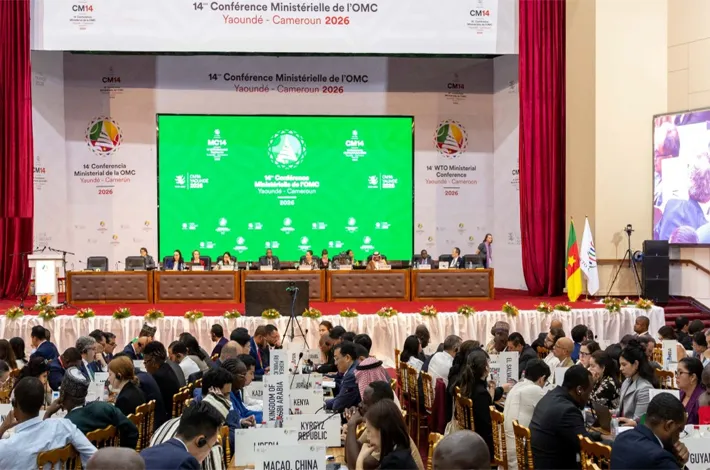
The 14th Ministerial Conference of the World Trade Organization (WTO), held in Yaounde, Cameroon, concluded without consensus on major issues, including the extension of the e-commerce moratorium and reforms of the global trade system.
Negotiations over the long-standing moratorium on customs duties for electronic transmissions reached a deadlock, primarily between United States and Brazil. While some members supported a four-year extension, Brazil pushed for two years and the US advocated a longer five-year period. With no agreement reached, the moratorium has expired for the first time since its introduction in 1998, potentially allowing countries to impose tariffs on digital goods such as movies, music, e-books and software.
The issue has sharply divided developed and developing nations. Countries like India have opposed a long-term extension, arguing it leads to significant revenue losses and restricts policy space in the rapidly expanding digital economy. Estimates suggest developing countries could be losing around USD 10 billion annually due to the moratorium, with India’s share exceeding USD 500 million each year.
The failure to extend the moratorium also impacts the Agreement on Trade-Related Aspects of Intellectual Property Rights (TRIPS), as safeguards against non-violation complaints have lapsed. This could expose countries like India to disputes over domestic intellectual property regulations, including provisions aimed at preventing patent monopolies.
WTO Director-General Ngozi Okonjo-Iweala acknowledged progress in areas such as fisheries subsidies and ongoing reform discussions but said several issues remained unresolved due to time constraints. She suggested that negotiations continue at the WTO’s General Council in Geneva. Efforts to finalise a roadmap for WTO reforms also failed, reflecting deep divisions between advanced economies seeking faster decision-making and developing nations advocating consensus-based processes.
Meanwhile, India opposed the China-backed Investment Facilitation for Development Agreement, maintaining that such plurilateral deals could undermine the WTO’s multilateral framework.
Commerce Minister Piyush Goyal said India will continue engaging constructively with WTO members on key global trade issues.