19 November, 2026 | 12:13 AM


Urdu Poets, Sufi Voices Glorified Lord Sriram
19-11-2026 12:00:00 AM
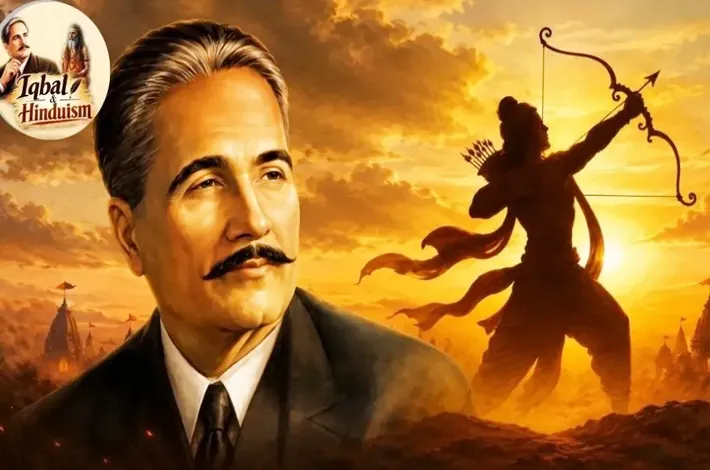
The literary figures described Lord Sriram as symbol of ideal conduct and shared heritage
VJM Divakar
In discussions highlighting India’s syncretic cultural traditions, literary scholars and cultural commentators have pointed to a rich body of Urdu poetry and Sufi thought that has long celebrated Lord Sriram (Rama) as an embodiment of righteousness, moral perfection, and national pride.
Drawing on historical and literary evidence, these accounts underscore how Muslim poets, writers, and certain religious preachers and mystics have paid tribute to the Maryada Purushottam across centuries, viewing him not through a narrow communal lens but as a figure of universal virtue central to the Indian ethos.
Literary critic and Urdu scholar Khalid Alvi has examined this tradition in detail, noting that Urdu literature has accorded high respect to Rama and Sita. Alvi and others observe that Hindu and Muslim writers together shaped a linguistic and cultural community that glorified India’s multicultural fabric. Poets including Amir Khusrau, Mirza Ghalib, Allama Iqbal, Altaf Hussain Hali, Josh Malihabadi, Brij Narayan Chakbast, and Mohsin Kakorvi composed verses praising Indian culture and Hindu religious personalities, with Rama featuring prominently.
One of the most frequently cited examples is Allama Muhammad Iqbal’s poem on “Ram.” The celebrated poet, often associated with Islamic philosophical thought, referred to Rama as “Imam-e-Hind” (the spiritual leader of Hind) and declared that Hindustan takes pride in his existence. In well-known lines, Iqbal wrote that the goblet of Hind overflows with the wine of truth and that Western philosophers are captivated by the “Ram of Hind.”
He portrayed Rama as a beacon of guidance whose light surpasses the dawn, a figure of purity, courage, and moral excellence whose name elevates the identity of the land. Scholars note that Iqbal’s Kashmiri Brahmin ancestry and his broader engagement with Indian spiritual figures, including Krishna, Buddha, and Guru Nanak, informed this inclusive vision.
Maulana Zafar Ali Khan, the influential early-20th-century journalist, editor, and poet, also composed eloquent tributes. In his address to “Sri Ram Chandra,” he argued that the vitality and excitement of Indian culture derive from Rama’s name rather than from external symbols. Zafar wrote that any enduring imprint of Hindu civilization visible today stems from Sita, Lakshman, and Ram. In other verses tied to festivals such as Dussehra, he highlighted Rama’s steadfast adherence to righteousness despite years of hardship and exile, presenting these qualities as lessons for harmonious living between communities.
Literary historian Rakhshanda Jalil has documented that more than 300 versions of the Ramayana exist in Urdu, many composed in verse as manzum Ramayanas. These range from full poetic retellings to focused treatments of episodes such as the exile (vanvas). Pandit Brij Narayan Chakbast’s celebrated poem “Ramayan ka Ek Scene” captures the emotional farewell between Rama and his parents before the 14-year forest exile, drawing on the soz and marsiya traditions of Awadh for its pathos.
Other poets, including Saghar Nizami and Rahbar Jaunpuri, composed works titled “Ram” that praise his embodiment of spirituality, truth, and resistance to evil. Abdur Rahim Khan-i-Khanan (Rahim), one of Akbar’s Navratnas, wrote dohas that reference Hanuman and Rama’s world with respect and affection; he is also remembered for supporting the dissemination of Tulsidas’s Ramcharitmanas. Translations of the Ramayana into Persian and Urdu occurred under various rulers, including commissions during the Mughal period, reflecting sustained interest. Sufi and religious perspectives have similarly elevated Rama.
Mirza Mazhar Jan-e-Janan, the 18th-century Naqshbandi Sufi master of Delhi, is recorded as viewing the Vedas as revealed scriptures and regarding Shri Rama and Shri Krishna as prophets, thereby including Hindus among the “People of the Book.” His disciple Shah Ghulam Ali Dehlvi and later figures such as Hazrat Inayat Khan spoke of Rama and Sita’s exemplary character within a framework of religious unity. As contemporary discussions revisit these works, they serve as a reminder of shared cultural memory.
From Iqbal’s “Imam-e-Hind” to Zafar Ali Khan’s civilizational tribute and the hundreds of Urdu Ramayanas, generations of Urdu poets and select religious preachers have glorified Lord Sriram as a figure whose ideals transcend religious boundaries and remain integral to the civilizational heritage of the subcontinent. This literary and spiritual record continues to illustrate the depth of India’s pluralistic traditions.