25 September, 2026 | 2:56 AM


UPI fallout: Traders demand cash payments
25-09-2026 12:00:00 AM
Metro India News | AMARAVATI
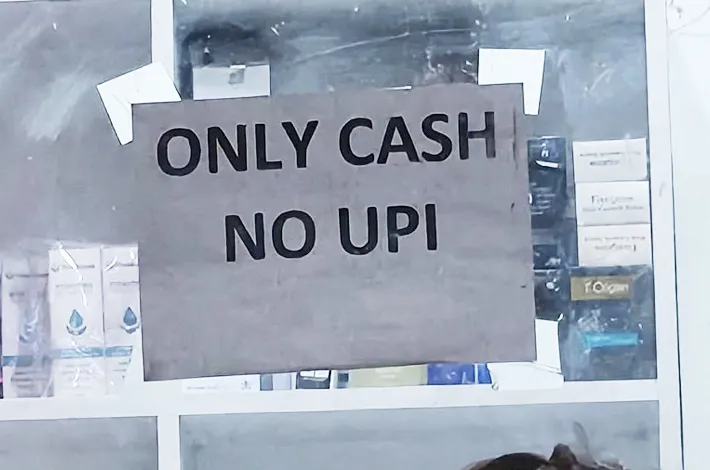
The UPI charges scare is beginning to affect everyday transactions in Vijayawada, with hospitals, diagnostic laboratories, scanning centres, shops and food courts increasingly asking customers to pay in cash. From medical bills running into thousands of rupees to routine purchases, customers are encountering verbal requests and, in some places, prominent “NO UPI” boards asking them to carry cash.
The development comes amid confusion over the new Merchant Discount Rate (MDR) framework announced for UPI transactions. From October 15, a 0.4 per cent MDR will apply to specified merchant transactions above Rs 2,000, with the charge to be borne by merchants. The government has clarified that consumers will not be charged and that UPI payments up to Rs 2,000, along with transactions covered under the zero-MDR framework for small merchants, will remain free. Around 96 per cent of person-to-merchant transactions are expected to remain unaffected.
“People have become confused after hearing that charges will be imposed on UPI payments. Now, even before the new rules come into force, some businesses are asking customers to pay cash. For patients, especially those carrying large medical bills, this is extremely inconvenient,” said a resident who recently visited a diagnostic centre.
For businesses, the concern is mainly about transaction costs and margins. Traders have argued that even a small MDR could add to operating expenses, particularly for establishments handling high-value digital payments.
The irony is hard to miss. At a time when digital payments are deeply embedded in urban life, emerging “NO UPI” signs could encourage a parallel cash economy. If the trend continues, Vijayawada could see people withdrawing cash before visiting hospitals, shops and food courts.
The government has said it will monitor the rollout and ensure merchants do not pass MDR costs on to consumers. For now, however, confusion over the proposed charge appears to be driving some businesses and customers back towards cash.