6 November, 2026 | 12:33 AM


State plans six-month water conservation drive
06-11-2026 12:00:00 AM
355 works to revive village water resource
■ State to launch mega mission for water conservation and rural employment
■ Rejuvenation of tanks, streams, canals and groundwater resources to be priority
■ Irrigation and Panchayat Raj departments to jointly implement the initiative from Jan to June 2027
■ Every village to be involved
metro india news I hyderabad
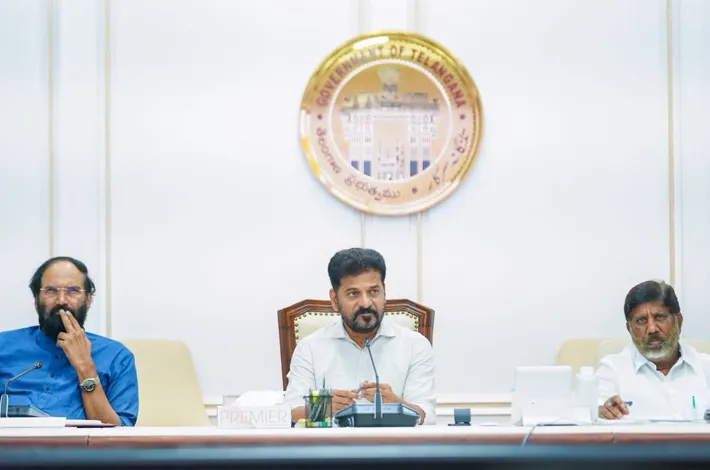
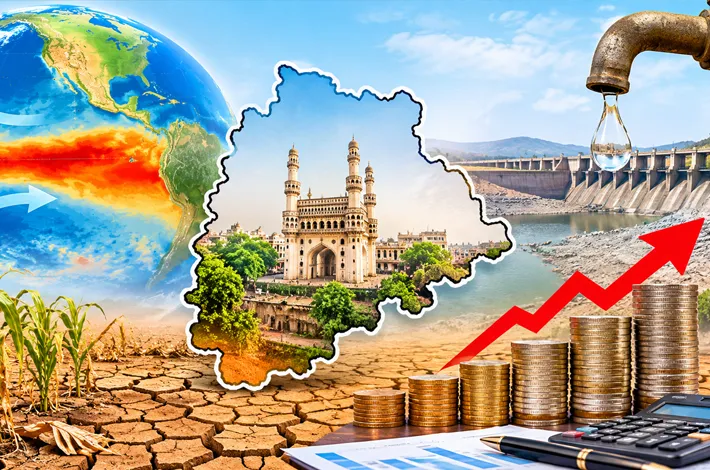
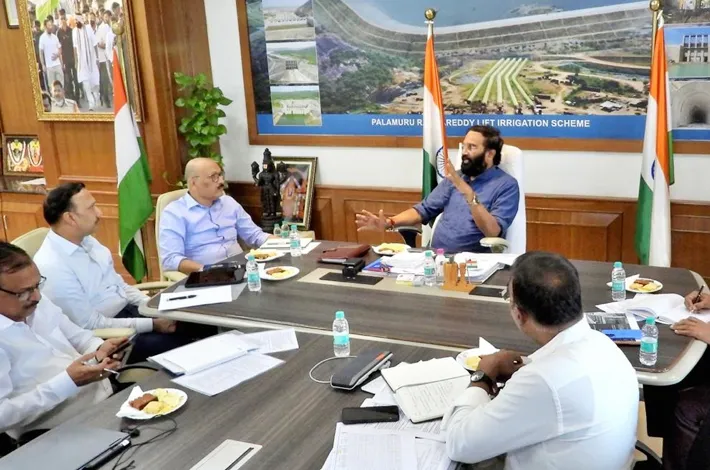
In a major initiative intended to generate large-scale rural employment while addressing the impact of El Nino conditions, the State Government is planning a state-wide six-month programme involving every village in the restoration, rejuvenation and conservation of water resources, according to the Minister for Irrigation and Civil Supplies, N Uttam Kumar Reddy on Thursday.
Addressing a high-level review meeting at the state secretariat, the Minister said Chief Minister A. Revanth Reddy has directed the Irrigation and Panchayat Raj and Rural Development departments, as desired by the Chief Minister, A Revanth Reddy, will jointly prepare a comprehensive action plan for implementation from January to June 2027, ahead of the next monsoon. The programme will seek to mobilise villagers, particularly agricultural labourers.
Emphasising the need for such an initiative to outwit the challenges involved with the of El Niño conditions, he said the situation should be converted into an opportunity to create durable water assets, strengthen existing irrigation infrastructure and improve groundwater availability.
Discussing the broad contours of the proposed initiative with senior officials including Navin Mittal, Special Chief Secretary, Panchayati Raj and Rural Development, Adityanath Das, Advisor to Government on Irrigation, E Sridhar, Irrigation Secretary, D. Divya, Commissioner, Panchayati Raj, ENC (General) Irrigation, O.V Ramesh Babu and ENC Mission Bhagiratha, G. Krupakar Reddy, he stressed the need for an integrated approach involving irrigation, rural development, groundwater, energy and other relevant departments.
355 categories of works identified
A comprehensive list of 355 categories of works had already been prepared, covering all possible activities that could be undertaken during the five-to-six-month period. Quoting the Chief Minister, he said the departments concerned should develop the programme with a clearly identifiable objective, adequate financial support and effective implementation at the village level.
The programme will largely leverage the employment guarantee framework, with the existing 60:40 funding arrangement being supplemented by additional State assistance wherever necessary. The State Government would provide whatever additional funds are required for the initiative.
The Minister also directed officials to study successful groundwater-recharge initiatives undertaken by Rajasthan and Maharashtra and identify practices that could be replicated in Telangana. A meeting involving district-level groundwater officials will be convened soon to review the situation, ongoing interventions and future requirements.
He invited suggestions from officials for an appropriate name for the proposed initiative, giving it an attractive umbrella identity that would generate public participation across the State.
Priority for restoration of tanks and traditional water bodies
Restoration and regeneration of existing water sources will constitute the principal thrust of the programme. The proposed activities include desilting and rejuvenation of minor irrigation tanks, village ponds, feeder channels and irrigation canals, besides restoration of traditional water-harvesting structures.
The exercise will also cover the restoration of damaged sluice gates, removal of accumulated silt, clearance of vegetation and jungle growth, repairs to tank infrastructure and improvement of water-storage capacity.
The creation of field channels through convergence between the Irrigation and Rural Development departments could substantially improve the utilisation of existing irrigation infrastructure and enhance agricultural productivity.
The construction of check dams across smaller rivers, streams and local watercourses was also discussed as an important intervention to arrest runoff, facilitate groundwater recharge and improve local water availability.