23 October, 2026 | 9:31 PM


Need to Upgrade Polytechnic Colleges in Telugu States
04-09-2026 12:00:00 AM
metro india news I Hyderabad / Amaravati
At a time when Telangana and Andhra Pradesh are positioning themselves as hubs for semiconductors, green energy, electric vehicles and advanced manufacturing, the very institutions meant to supply the skilled backbone for these industries — government polytechnic colleges — are crying for an urgent upgrade.
For lakhs of students from rural and middle-class families in the two Telugu states, polytechnics have been the most affordable ladder to a job. A three-year diploma after Class 10 offers a quicker entry into employment than a conventional engineering degree. Yet, industry leaders and academicians warn that without a massive overhaul in infrastructure, curriculum and industry linkage, these colleges risk producing unemployable youth instead of job-ready technicians.
There are over 140 government and aided polytechnics in Telangana and more than 130 in Andhra Pradesh, with a combined intake of over 75,000 students annually. But most of them were built in the 1960s and 70s and have seen little modernization since.
Labs stuck in the 80s, Industry in 2025
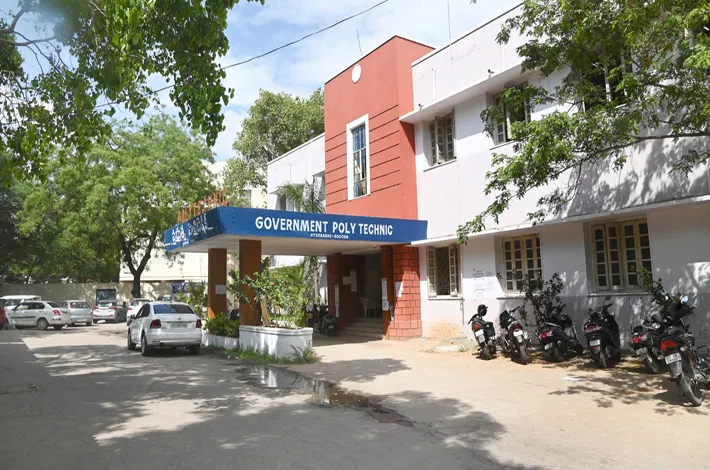
A visit to a typical government polytechnic in Hyderabad's Masab Tank or in Kakinada reveals the ground reality. The mechanical workshop still runs on old lathe machines while the industry outside has moved to CNC and robotics. The electronics lab teaches 8051 microcontrollers when companies are hiring for IoT, embedded systems and EV battery management.
"We are teaching what the industry needed 20 years ago," admits a senior lecturer at Quli Qutb Shahi Government Polytechnic, Hyderabad, on condition of anonymity.
"Our students know theory but have never seen a modern PLC panel, drone assembly or 3D printer. When they go for interviews at companies in Fab City or Sri City, they fail in practical tests."
The result is visible in placement data. While top private polytechnics and a few model institutions like Government Polytechnic, Vijayawada, manage 60-70% placement, the average in rural government colleges is below 25%. Many diploma holders end up as delivery partners or re-join http://B.Tech through lateral entry, defeating the very purpose of skill-based education.
What the Industry Wants
The two states have attracted massive investments in the last two years. Telangana is pushing its Telangana Mobility Valley for EVs, while Andhra Pradesh is developing bulk drug parks and electronics manufacturing clusters at Tirupati and Kopparthy.
NASSCOM and CII estimates suggest the region will need over 10 lakh skilled technicians in the next five years in trades like EV servicing, solar panel installation, semiconductor packaging, HVAC, and medical electronics.
"We don't need engineers to assemble an EV, we need high-quality diploma holders," said the HR head of a leading EV maker in Zaheerabad. "But we have to re-train them for six months after hiring. If polytechnics are upgraded, our cost and time will come down drastically."
The Road Map for Upgrade
Experts suggest a four-point agenda for both governments: Curriculum Overhaul Shift from year-old C-20 curriculum to a dynamic, semester-wise model co-designed with industry. Introduce specializations like Electric Vehicle Technology, Drone Technology, Green Hydrogen, and AI-assisted Manufacturing instead of generic Mechanical or ECE.
Infrastructure as per Industry 4.0: The Central Government's scheme for upgrading polytechnics under the World Bank assisted project needs