27 September, 2026 | 3:30 AM


Nature Distilled
27-09-2026 12:00:00 AM
Khush Raho with Sangeeta
Tomorrow I have an appointment with my dentist. While I look forward to her ministrations and the removal of the discomfort in my tooth, I am not looking forward to the experience itself. For some reason, the thought took me back many decades to my first visit to a dentist. I was young, and went with my maternal grandfather to his friend, the well-known Delhi dentist Dr. Jayna. Two things stayed with me from that visit — my grandfather, whom I still miss, and the pungent clove oil the dentist used after drilling or filling my cavities. Today our dentists no longer use it, unfortunately. But I still do.
Essential oils have a very old history, going back to the Egyptian pyramids and Cleopatra. In the more recent era, they were brought into prominence by Ibn Sina, the famous Arab scientist and physician, who made the steam distillation process more rigorous — a more systematic approach to distilling plants, herbs, and flowers to extract their oils.
These essences are defined as the life force energy, soul, or Prana of the plant. There is nothing oily about them. The naturally occurring aromatic compounds we call essential oils are in fact highly concentrated plant extracts. So highly prized were they that when the three wise men visited the baby Jesus, they brought three gifts. One was gold. The other two were the essential oils of frankincense and myrrh.
The French perfume industry built its global reputation on the extraordinary aromatic properties of essential oils, popularising their use and refining the art of distillation long before their therapeutic potential was globally recognised.
The modern expansion of essential oils as healing agents is credited to three pioneering figures. The French chemist René-Maurice Gattefossé discovered the healing properties of lavender after burning his hand in a laboratory accident and plunging it into lavender oil, observing how rapidly and cleanly it healed. Dr Jean Valnet then used essential oils to treat soldiers' wounds during the Second World War, significantly expanding their therapeutic use. After that, Dr Marguerite Maury popularised aromatherapy massage, demonstrating how essential oils could influence both the body and the emotions.
As a therapeutic aromatherapist, I work with these oils daily. I make healing blends for specific outcomes — whether as diffuser blends to shift the energy and mood of a space, or as topical formulations for the skin, hair, or body. Each blend is purposefully composed to address a particular physical, emotional, or energetic need. And my body, emotions and physical spaces are energized by these daily. The most popular use of essential oils nowadays is as a room freshener or for cosmetic purposes, but their healing potential goes far deeper than that.
The benefits of essential oils could fill many books, but here are the most important. First, they are adaptogens — they help us calibrate our stress hormones and restore the body's basic balance. Second, they are anti-inflammatory and promote healing. As we know, inflammation is the leading cause of disease, and oils like eucalyptus turmeric and chamomile help reduce it. Third, they have antiseptic, antifungal, and antibacterial properties, helping us fight the infections that make us unwell.
Some oils worth knowing: lavender, the global favourite, is calming, antiseptic, and deeply restorative — diffuse it to relax and dispel negativity. Clove, the oil that brought me to this subject, an anaesthetic, fights infection, and kills bacteria. Peppermint and fennel are helpful for digestive discomfort like bloating or cramping. For nasal congestion and colds, eucalyptus through steam inhalation is a perennial favourite. Tea tree and geranium support hair health, help with dandruff control, and boost hair growth — add one drop of tea tree to your comb before running it through your hair after shampooing. And for repelling insects and bugs, lemongrass and citronella are particularly effective.
Important cautions: pure essential oils are highly concentrated and must never be applied directly to the skin. Always dilute. And I do not recommend taking internally. For chakra application, a ratio of one part essential oil to one part carrier oil is appropriate. For hair or a foot soak, dilute one part essential oil to twenty parts carrier oil or water. Before using any new oil or blend, apply a tiny amount of the diluted oil to the inside of your elbow and check for allergic reaction. Use sparingly on pregnant women and children.
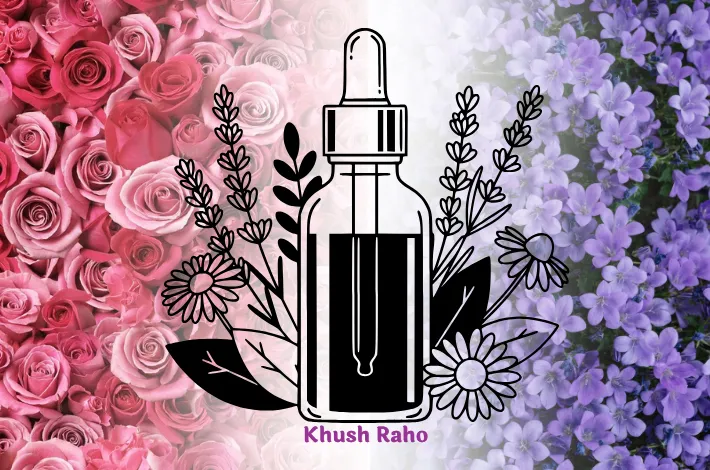
When purchasing, remember that fragrance oils are synthetic chemical compounds created only for their smell. They will not deliver any real healing outcome. Read labels carefully to ascertain whether you are buying a quality essential oil or a fragrance, and thus quality costs money. To illustrate just how concentrated and precious these oils are: it takes approximately 6,000 roses to produce a single 10ml bottle of pure rose essential oil. That is the Prana of 6,000 flowers in one small bottle. No synthetic fragrance can replicate that.
I might just carry the clove oil along to my dentist tomorrow!

(Sangeeta Bhalla
is an Energy Healer, Instructor, and Therapeutic Aromatherapist. She can be reached at www.sangeetabhalla.net )