30 July, 2026 | 8:25 PM


Monsoon messenger spotted in Telangana
18-05-2026 12:00:00 AM
metro india news I hyderabad
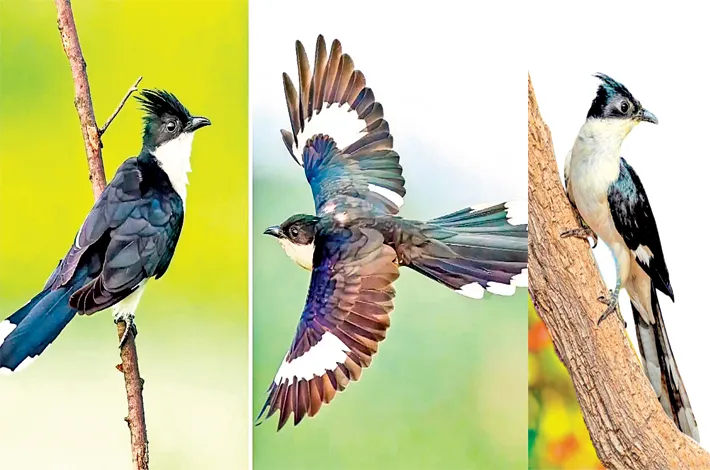
The monsoon messenger has arrived, and the rains may not be far behind. The striking Pied Cuckoo, with its glossy black crest, white belly and sweet, unmistakable call, has been spotted on the outskirts of Hyderabad, sparking excitement among birdwatchers and farmers alike. Many believe the arrival of this migratory bird is one of nature’s clearest signs that the rainy season is approaching.
Birdwatchers recently sighted the bird near Shamshabad. Known for its seasonal migration from Africa to the Indian subcontinent ahead of the southwest monsoon, the Pied Cuckoo has long been associated with the arrival of rains.
Ram Kumar, a Hyderabad-based birdwatcher, says the bird’s appearance is always eagerly awaited. “These birds have a distinctive call and are usually seen in open landscapes. In Telangana, especially around Hyderabad, they are often spotted near Shamshabad. Farmers are particularly excited by their arrival because they are believed to bring good rainfall,” he says.
Another birdwatcher, Rustom, recalls a similar sighting a few years ago. “The sweet calls of the Pied Cuckoo are often linked with the impending monsoon. Two years ago, our team spotted the birds and the rainy season began about 10 days later,” he says.
The India Meteorological Department has already announced that the southwest monsoon has reached the Andaman and Nicobar Islands and is expected to arrive over Kerala in the last week of May. Traditionally, Telangana begins receiving rainfall soon after the monsoon makes landfall in Kerala, making the recent sightings even more significant.
Also known as the Jacobin Cuckoo or Pied Crested Cuckoo, the bird belongs to the cuckoo family found across Africa and Asia. It is partially migratory and is also known for laying its eggs in babbler nests. While some birds migrate onward, a few remain in the region throughout the season.
In Indian mythology, the bird is known as the “Chatak”, a symbol of longing for the life-giving rains. Folklore describes it as a bird that waits thirstily for raindrops from the sky — much like millions of people waiting for reservoirs, lakes and rainwater harvesting pits to fill after the scorching summer.