15 November, 2026 | 5:36 AM


Lord Balaji Artist Srinivasan no more
15-11-2026 12:00:00 AM
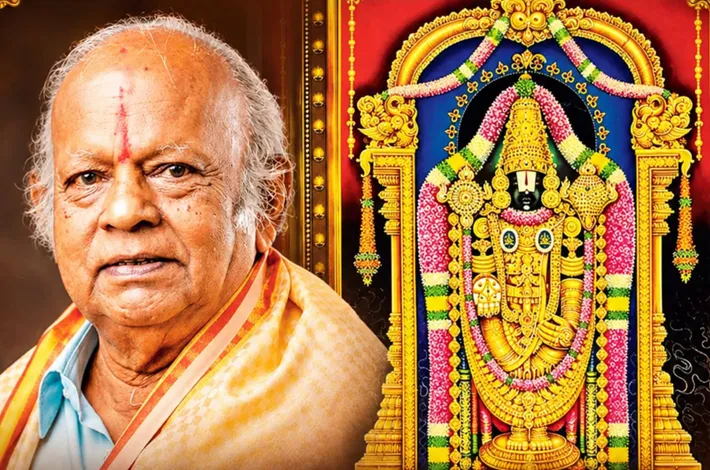
Iconic Artist Behind Classic Lord Venkateswara Portraits Passes Away at 86
metro india news I Kovilpatti
Renowned painter S.M. Srinivasan, whose colour illustrations of Lord Venkateswara of Tirumala became fixtures in homes across India for more than five decades, died at his residence here on Thursday. He was 86. Family members said the artist passed away due to age-related ailments at his home on Mandithoppu Road in Kovilpatti in Thoothukudi district.
Srinivasan’s two famous depictions of the Tirumala deity—one richly adorned with all the traditional ornaments and the other without ornaments—were created in the early 1970s at the special invitation of the Tirumala Tirupati Devasthanams. Granted rare access to observe the Moolavirat closely inside the sanctum sanctorum, he produced paintings that captured the divine form with remarkable fidelity and devotion. The Tirumala Tirupati Devasthanams approved the works, which were then widely reproduced as calendars, posters and framed photographs.
From the 1970s onward these images spread rapidly. Sivakasi printers turned them into affordable calendars and photo prints that soon appeared in virtually every home, shop and office that maintained a space for Lord Balaji. Devotees came to associate the familiar, graceful visage of Tirupati Balaji with Srinivasan’s brushwork. The portraits offered a sense of personal darshan to millions who could not travel frequently to the hills, turning ordinary walls into spaces of daily worship.
Born in Kovilpatti, Srinivasan studied only up to Class 10. He later trained under the well-known artist Kondaiah Raju, who guided him in classical techniques and the depiction of Hindu deities. The disciplined foundation he received enabled him to develop a distinctive style that combined precision with spiritual warmth. Beyond the Tirumala commissions he painted numerous other forms of Hindu gods and goddesses, earning quiet respect among devotees and fellow artists for the sincerity of his work.
Colleagues and local residents recalled that Srinivasan preferred a life away from publicity. He continued to live modestly in his hometown even as his Tirumala illustrations achieved near-universal recognition. When news of his death spread on Thursday, neighbours, admirers and public figures gathered at the family home to pay their respects. Many spoke of the lasting gift he had given to ordinary households by making the Lord’s form accessible and intimate.
Political leaders and devotees across Andhra Pradesh and Tamil Nadu expressed condolences. One senior figure noted that the artist’s portraits had allowed every devotee to keep a form of darshan at home after he had been privileged to view the Moolavirat up close. The sentiment was widely shared: the images had become part of the visual and spiritual landscape of the country.
Srinivasan’s contribution arrived at a time when colour printing was expanding the reach of religious art. Before his paintings, many homes relied on earlier, less standardised images. His carefully observed versions, especially the ornamented form with its detailed jewellery, garlands and luminous presence, set a new standard that printers and calendar makers adopted for generations. He never sought celebrity; the widespread presence of his paintings was recognition enough. In Kovilpatti and beyond, those who knew him remembered a soft-spoken man whose brush served devotion rather than personal fame.
As families continue to hang the familiar portraits and turn the pages of calendars bearing his designs, Srinivasan’s legacy remains visible in countless homes. The illustrations he produced more than fifty years ago still serve as a bridge between the sacred hill temple and everyday life. His passing closes a chapter in the visual history of Tirumala devotion, even as the images themselves endure as cherished companions for new generations of worshippers.