28 July, 2026 | 8:32 PM


Lack of ‘crop plan’ leading to agri imbalance, say experts and farmers
23-05-2026 12:00:00 AM
Metro India News | Hyderabad
The Telangana government’s failure to implement a comprehensive ‘crop plan’ for the past six years has led to severe imbalances in the state’s agriculture sector, triggering sharp criticism from agricultural experts and widespread concern among farmers. Normally, the Agriculture Department prepares a seasonal Crop Plan (Pantalu Pranalika) for both Kharif (monsoon) and Rabi (winter) seasons, guiding farmers on suitable crops based on rainfall patterns, groundwater availability, and market demand.
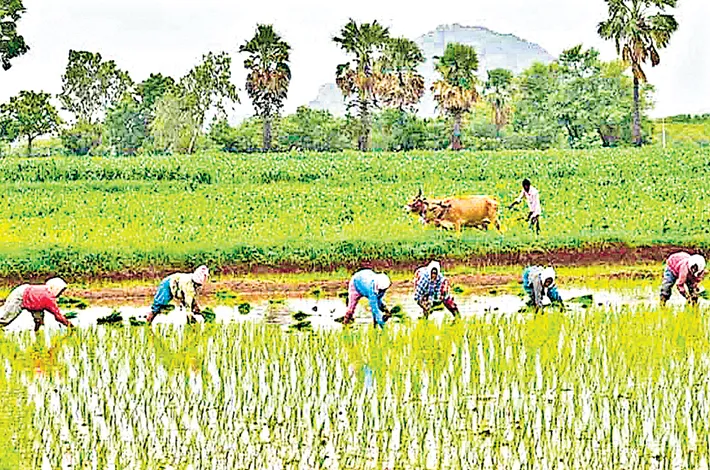
However, the state has not released any such plan since 2020, resulting in unchecked cultivation patterns and multiple problems in the farming sector. Farmers’ organizations and leaders argue that a strategic plan is essential to ensure food security and sustainable agricultural growth. Official data shows that rice production in Telangana has surged dramatically — from 65.81 lakh metric tonnes in 2013-14 (the year of state formation) to 170 lakh metric tonnes in 2024-25.The area under rice cultivation has more than doubled, expanding from 19.95 lakh acres to 46.9 lakh acres.
The state now contributes around 12% of India’s total rice production. This surge has been supported by improved irrigation facilities, favorable monsoons for nine consecutive years and government policies such as Minimum Support Price (MSP) and the Congress government’s bonus on fine rice varieties. Experts warn that Telangana is heading towards a serious rice glut. Projections for 2025-26 indicate that even after meeting the state’s own requirements and supplying to the Central pool, around 20 lakh metric tonnes of rice will remain surplus.
With global rice prices lower than domestic rates, farmers may be forced to sell at a loss. The price of rice has already crashed from Rs 2,100 per quintal last year to around Rs 1,800 now. Maize (makka jonnalu) cultivation has also seen a sharp spike in the Rabi season, jumping from 6 lakh acres to 16 lakh acres due to rising demand. Farmer unions are pressing the government to provide incentives for pulses (red gram, green gram), vegetables, and other diversified crops so that the state can reduce dependence on other states for these commodities.
A comprehensive, long-term agricultural plan is the need of the hour, they opine. This includes promoting organic farming to reduce dependence on chemical fertilizers, and reviving closed sugar mills at Bodhan and Mutyampet by encouraging sugarcane cultivation through targeted incentives. Agricultural stakeholders warn that without immediate policy intervention and a clear crop planning strategy, Telangana’s farming sector will continue to face distress, environmental degradation, and economic instability.