24 October, 2026 | 7:49 AM


Her body changes. Her care should too
08-09-2026 12:00:00 AM
The growing importance of women’s health physiotherapy
Metro India News | Hyderabad
A woman’s body changes remarkably through every stage of life — from adolescence and menstruation to pregnancy, childbirth and menopause. Yet, many women continue to accept pain, pelvic discomfort, urinary leakage, weakness or changes in physical function as something they simply have to live with. They shouldn’t. Women’s health physiotherapy is increasingly helping change this perception by addressing physical concerns that are often overlooked, normalised or discussed only in private.
As a Women’s Health Physiotherapist, I see women at very different stages of life, with very different concerns. Pregnancy, for example, places considerable physical demands on the body. As the body adapts to support the growing baby, women may experience back pain, pelvic girdle pain, changes in posture, reduced mobility and pelvic-floor concerns. Physiotherapy during pregnancy can help women manage these changes, maintain strength and mobility, develop pelvic-floor awareness, work on breathing and movement patterns, and prepare their bodies for childbirth.
The need for care does not end after delivery. Urinary leakage, for instance, is often treated as an inevitable consequence of childbirth or ageing. Pelvic pain may be endured for years. Pain during intercourse may remain unspoken. Conditions such as vaginismus and other pelvic-floor dysfunctions can have a significant impact not only on physical health but also on confidence, relationships and emotional wellbeing.
But women’s health physiotherapy is not simply about treating a problem after it appears. It is also about education, prevention and helping women understand their bodies. Knowing what is normal, recognising what is not, understanding how the body changes through different stages of life, and seeking help early can make a significant difference to long-term health and quality of life. She deserves to understand her body. She deserves to ask questions. And she deserves to seek help without hesitation or embarrassment. Because being a woman should never mean learning to live with pain.
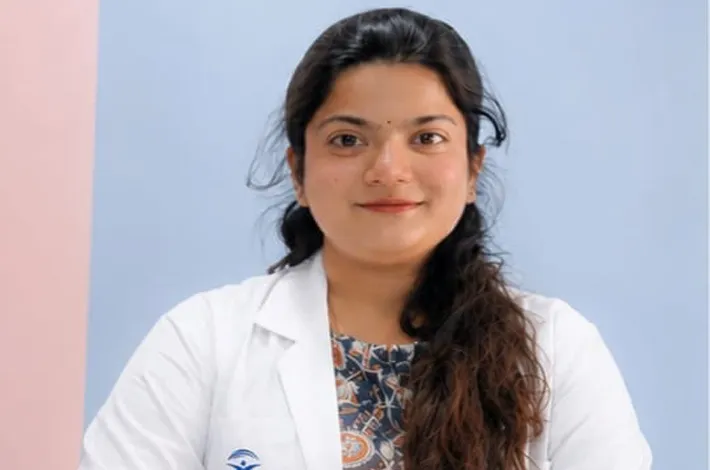
Dr. Samhitha Morigadi (PT)
MPT – Women’s Health
Medicover Women & Child Hospitals