11 November, 2026 | 3:35 AM


HC cracks down on officials for contempt of court
11-11-2026 12:00:00 AM
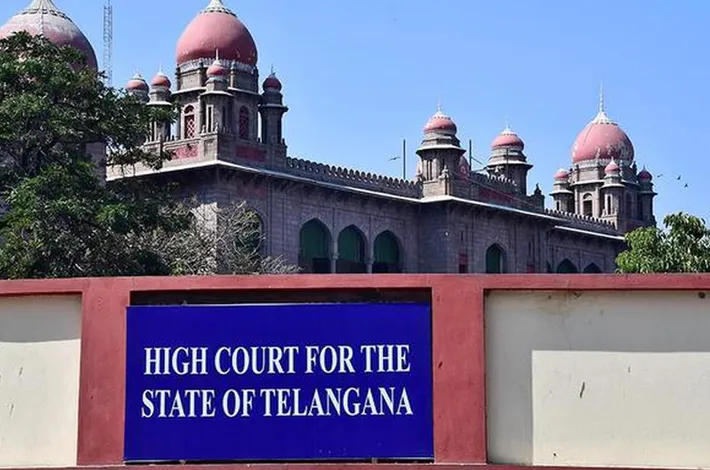
An increasing incidents of contempt petitions in the high court is matched with increasing punishment to civic authorities who do not appear to show respect for the rule of law.
A larger than life belief of social responsibility mars governance in a system characterised by a delicate tight rope walk where the division of powers is a sensitive ingredient of the Rule of Law. Three incidents are reflective of the scenario. Recently, Justice CV Bhaskar Reddy of the Telangana High Court summoned revenue and police authorities to be present in court for violating orders of the court. Justice K. Lakshman of the Telangana High Court sentenced Ranga Reddy District Collector C. Narayana Reddy to simple imprisonment of six months and imposed a fine of Rs 2,000 for failing to comply with directions to decide a request for deletion of land parcels in Turkayamjal from the prohibitory list maintained under the provisions of the Registration Act.
The judge further held that the Collector had failed to comply with the directions within the stipulated 60-day period and passed a rejection order only after receiving notice in the contempt proceedings. It was observed that a public authority cannot disregard a binding judicial direction and subsequently seek to justify its inaction by raising grounds that ought to have been pursued through appropriate legal remedies.
In another contempt case, a two judge panel comprising Justice K. Lakshman and Justice N. Tukaramji sentenced the Managing Director of ADR Estates Private Limited, C.H. Damodar Rao and three registration officials of Medchal-Malkajgiri District to simple imprisonment of six months and imposed a fine of ₹2,000 each for wilfully disobeying an interim order concerning a 17.10-acre land parcel at Bachupally.
The contempt proceedings arose from allegations that the respondents proceeded with land registrations despite an interim order from the Court. Rejecting the contention of the official respondents that they were unaware of the subsisting judicial directions, the panel held that accepting registration documents in disregard of the order of the court amounted to wilful disobedience.
The panel also declined to accept the plea that the registration officials lacked the authority to examine the legality of the documents before proceeding with the registrations. The court suspended the execution of the sentences for four weeks to enable the contemnors to pursue appellate remedies. However, the contempt proceedings against the Inspector General of Stamps and the District Registrar were dismissed.