24 September, 2026 | 8:40 AM


Who has killed the follow-up story? You only watched it die
03-02-2026 12:00:00 AM
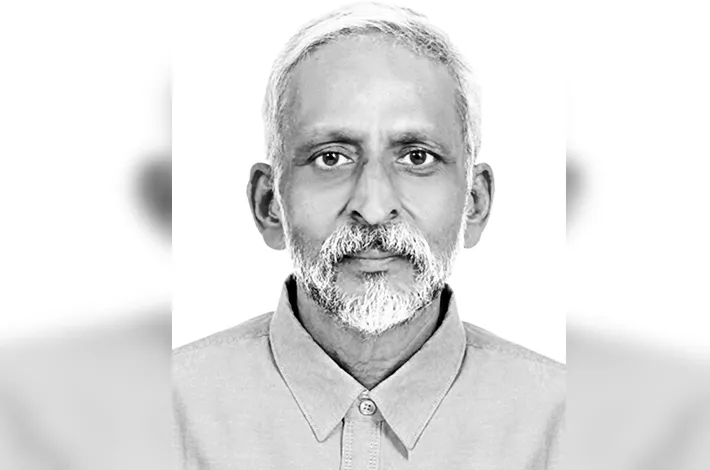
Until you change how you consume media, until you change what you click, what you ignore, and what you pay for, nothing will change
Let’s dismantle a comfortable lie. A lie that the educated, the opinionated, and the self-declared “media-aware” cling to with moral enthusiasm. The lie is that newspapers and TV news have a sacred moral obligation to pursue stories to their bitter end. That journalism, by virtue of its profession, must chase truth long after it stops trending.
It’s a lovely belief. It also conveniently absolves the readers from their part of the deal.
No one likes to admit: no one wants to stand apart. Not journalists. Not editors. Not media houses. Because standing apart is not just a professional risk; it carries a political price. And political prices are paid over long periods. They cascade. From individual reporter to editor. From editor to organisation. From organisation to advertisers, access, licences, goodwill, and survival.
So let’s stop pretending that the courage to follow up is free.
In an ecosystem where everyone is watching everyone else, standing out does not earn applause. It invites audits, lawsuits, loss of access, quiet warnings, and loud consequences. And when the price hits the individual, the organisation steps back. When it hits the organisation, the individual becomes expendable. This is not cowardice alone; this is structural fear.
But fear doesn’t work unless it is rewarded. And it’s you who can really reward this elusive courage.
You, the reader, repeatedly wake up and cry for the follow-ups. You say you want accountability. You say, “Why is the media not covering this anymore?” But, honestly, ask yourself what gives you more pleasure? A dry update on the 19th adjournment of a case? Or a fresh scandal with a thumbnail that screams, a clip that shocks, or a meme that travels? You already know the answer. So why keep up the façade?
The truth is uncomfortable: you don’t want to know. You want to feel. You want outrage, not resolution. You want accusation, not procedures. You want a story at its most dramatic moment and not at its most consequential.
And the media obliges because standing out costs money.
In this age of democratised information, news is everywhere, accessible, affordable, and primarily free. So naturally, quality is one thing no one wants to pay for. Readers demand investigative depth, sustained tracking, and institutional memory… but only if it comes without a subscription, without effort, and without commitment. So here’s a somewhat radical thought: if you genuinely care, then pay. Not when asked. Not when guilt-tripped. But voluntarily. For the journalism you claim to miss. For the follow-ups you claim to want. For the work you insist is essential to democracy.
Paying is not charity. It’s a signal.
Algorithms listen. Editors listen. Management listens. Money is not just revenue; it’s feedback. If serious journalism starves, it’s not because it lacks virtue; it’s because it lacks demand.
And before you blame “the system”, remember this: systems respond to behaviour, not ideals.
This is why a paid, unglamorous platform tracking ACTION and INACTION makes sense. No debates. No panels. No outrage cycles. Just updates. What moved. What stalled. Who acted. Who delayed. Government files. Public investigations. Corporate accountability. A cold, persistent checklist that refuses to forget all the then-sensational crimes and scams.
I know, you know, it wouldn’t trend. It wouldn’t entertain. And that’s precisely why most people wouldn’t support it. Because forgetting is comfortable and costs nothing. It provides the opportunity to ask questions that are not expected to be answered over drinks in a social setting.
So let’s stop blaming journalists for burying stories when we shovel the dirt ourselves. Let’s stop accusing editors of apathy when we reward sensation. Let’s stop pretending the nation wants to know when, in private, we prefer to scroll.
Until you change how you consume media, until you change what you click, what you ignore, and what you pay for, nothing will change. Not the newsroom. Not the headlines. Not the follow-ups.
So who killed the follow-up story?
Not the journalist. Not the editor. Not even the system. Look within.
You knew what you wanted. You chose pleasure over persistence.
And then you called it journalism’s failure. You know who killed serious investigative and follow-up journalism. And you just watched it die like a sadistic serial killer who knows no one will guess the identity because no one is interested in this death.
SANJEEV KOTNALA