30 July, 2026 | 7:11 PM


New study offers hope for diabetic bypass patients
15-05-2026 12:00:00 AM
Metro India News | Hyderabad :
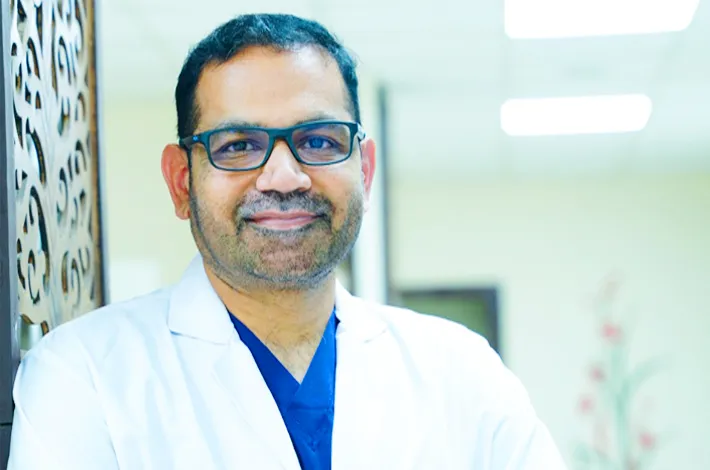
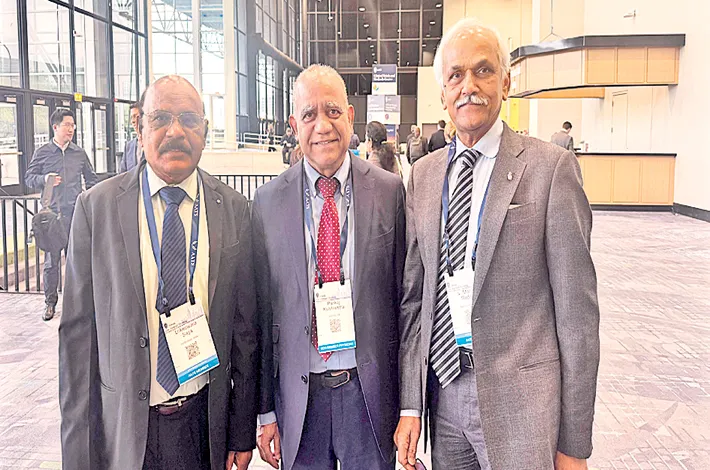
A new clinical study is offering encouraging results for diabetic patients undergoing coronary artery bypass surgery, suggesting that advanced arterial grafting techniques may significantly improve long-term outcomes. The research is being conducted in Hyderabad with funding support from the Indian Council of Medical Research and is led by senior cardiothoracic surgeon Lokeswara Rao Sajja of Star Hospitals. The findings were recently presented at the American Association for Thoracic Surgery Annual Meeting in Chicago.
The study, known as the PRODICT Trial, is evaluating the effectiveness of using multiple arterial grafts—particularly both internal mammary arteries and radial artery grafts—compared to the conventional method that primarily relies on one mammary artery and leg vein grafts. Traditionally, surgeons have avoided using both mammary arteries in diabetic patients due to concerns over breastbone infection. However, the study indicates that with improved techniques such as skeletonized harvesting, the risk of infection can be effectively managed.
Researchers observed that vein grafts used in standard procedures may develop blockages over time and can also increase the risk of complications such as stroke if plaque is dislodged during attachment to the aorta. In contrast, arterial grafts showed better long-term durability, with angiographic results revealing about 98% openness in studied patients. The trial included 950 diabetic patients under the age of 70, evaluated across 15 hospitals with the participation of 17 experts.
The findings suggest that multi-arterial bypass strategies could offer better long-term survival benefits, particularly for younger patients and India’s growing diabetic population, where heart disease tends to occur earlier than in Western countries. Dr. Sajja noted that continued research over the remaining years of the five-year study is expected to further refine surgical approaches and potentially establish new global standards for diabetic bypass care.