24 September, 2026 | 2:08 AM


NCP at the crossroads
31-01-2026 12:00:00 AM
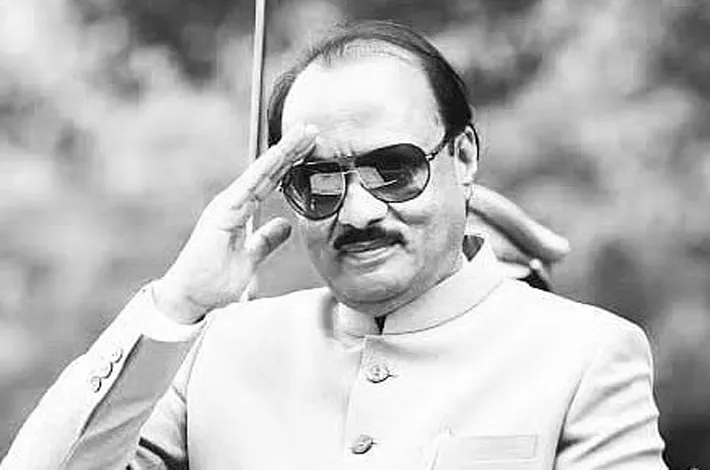
The sudden and tragic death of Ajit Pawar in an air crash has created a leadership vacuum in the Nationalist Congress Party (NCP) that will not be easy to fill. His passing has not merely robbed the party of a seasoned political strategist; it has unsettled the delicate balance of power within Maharashtra’s ruling Mahayuti alliance. The urgency of the moment is compounded by the practical necessity of nominating a successor for the post of deputy chief minister—a decision the party cannot afford to delay.
While the NCP is not short of aspirants, few observers would be surprised if the party turns to Sunetra Pawar, Ajit Pawar’s widow. True, she lacks administrative experience, but she is far from being a political nonentity. As a sitting Rajya Sabha member, she already enjoys national visibility, and the sympathy generated by her husband’s untimely death could work in her favour—much as it did for Rajiv Gandhi after the assassination of prime minister Indira Gandhi.
Ajit Pawar had been elected to the Assembly for the eighth consecutive time when he died, underscoring his deep-rooted mass appeal in Baramati and beyond. That record suggests that a by-election from the same constituency would be a virtual cakewalk for his wife. Moreover, the Mahayuti alliance has sufficient strength in the legislature to ensure that the Rajya Sabha seat vacated by Sunetra Pawar, if she moves to the Assembly, remains within the party’s grasp. Yet, succession is only one aspect of the challenge ahead. By any reckoning, Ajit Pawar had proved himself an astute politician.
After breaking away from Sharad Pawar and forming what he called the “real” NCP, he aligned with the BJP and the Shinde-led Shiv Sena and steadily consolidated his position. Though the chief minister’s post eluded him, he managed to serve as deputy chief minister in four different dispensations. His faction’s victory in 41 Assembly seats in 2024 validated his claim to political legitimacy. In the recent civic body elections, Ajit Pawar boldly tested his strength by contesting independently in his strongholds. While the BJP emerged stronger overall, he demonstrated that his NCP enjoyed greater grassroots goodwill. More importantly, he signalled that any future merger of the two NCP factions would occur largely on his terms, not Sharad Pawar’s.
His death has altered Maharashtra’s political landscape in ways few events have. Whether Sunetra Pawar—despite the goodwill she enjoys—can provide purposeful leadership in these fluid times remains an open question. The absence of a strong second tier of leadership within the NCP further complicates matters. Sympathy may open doors, but it cannot sustain authority in the long run. Ultimately, leadership will be judged not by legacy alone, but by the capacity to inspire confidence and command mass appeal.