23 September, 2026 | 9:59 PM


A strategic pact beyond tariffs
30-01-2026 12:00:00 AM
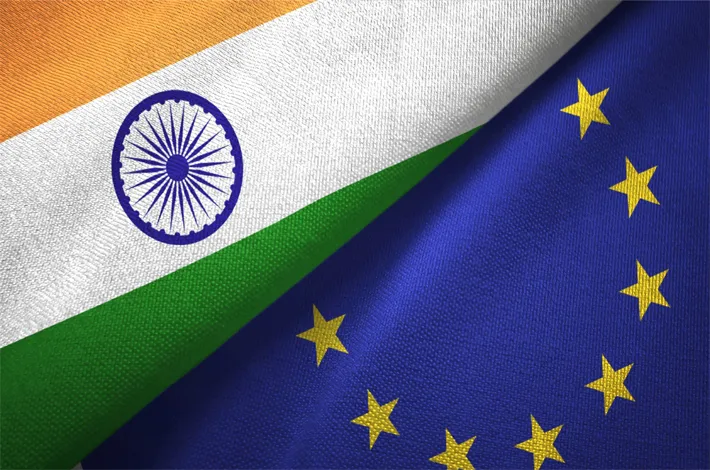
The long-anticipated India-European Union free trade agreement is now a reality. The figures are impressive—the free trade pact connects people who generate a quarter of the world’s GDP. As a result of the deal, trade between the European Union and India is expected to more than double within a decade, propelling economic growth in large parts of the world. Still, it may not be the win-win that leaders on both sides are touting it to be, but it will certainly boost India’s traditional exports of textiles, gems and jewellery and integrate Indian manufacturers, who are able to make the grade, into European supply chains. There will be some heartburn among our local uber-rich, as Europe too will gain by tapping into India’s craze for high-end cars and foreign liquor, whose duties are being slashed.
At its most basic level, the agreement aims to reduce or eliminate tariffs on over 90 per cent of the goods traded between India and the 27-member bloc. As global trade becomes increasingly entangled with strategic competition—especially between the US and China—both India and the EU are seeking to diversify economic partnerships and reduce overdependence on any single country. That alone would be significant.
However, the bigger gain is political. In the bewilderingly new multipolar world, where the US has made it abundantly clear it will not underwrite Europe’s defence nor will it make the continent’s enemies its own, a compact with a rising Asian power was needed to defend the sea commerce which has been the lifeblood of the European continent. India, too, needs a hedge in a world dominated by a fickle global power, which is more concerned about its backyard in the Arctic and South America rather than the problems of far-flung areas and an inscrutable northern neighbour, which has made clear that it feels Asia is its future pocket borough.
That is where the less spoken about part of the negotiations comes into play—the ‘Security and Defence Partnership’ between the two trading partners. To start with, it’s still a nascent treaty. The two sides are talking about “closer engagements in maritime security, especially in the Indo-Pacific area, non-proliferation and disarmament, space, counter-terrorism, and countering cyber and hybrid threats.”
It will certainly “boost defence industrial collaboration”, with Indian manufacturers co-producing defence systems and selling their innovations as India continues its defence trade with traditional European partners. But the cream of the pact lies in the launch of negotiations for an ambitious ‘Security of Information Agreement’, which will let the two sides exchange “classified information and stronger cooperation in security and defence areas”, which in time could “lead to India’s participation in EU security and defence initiatives”.
To sum up: In an era when trade is increasingly weaponised and the world is fragmenting into rival power centres, an agreement built on openness, rules, and mutual benefit also sends an important signal—that relations built in Greek times with ancient Mauryans survive and can act as a pillar of sanity in the new world order which is being fashioned.